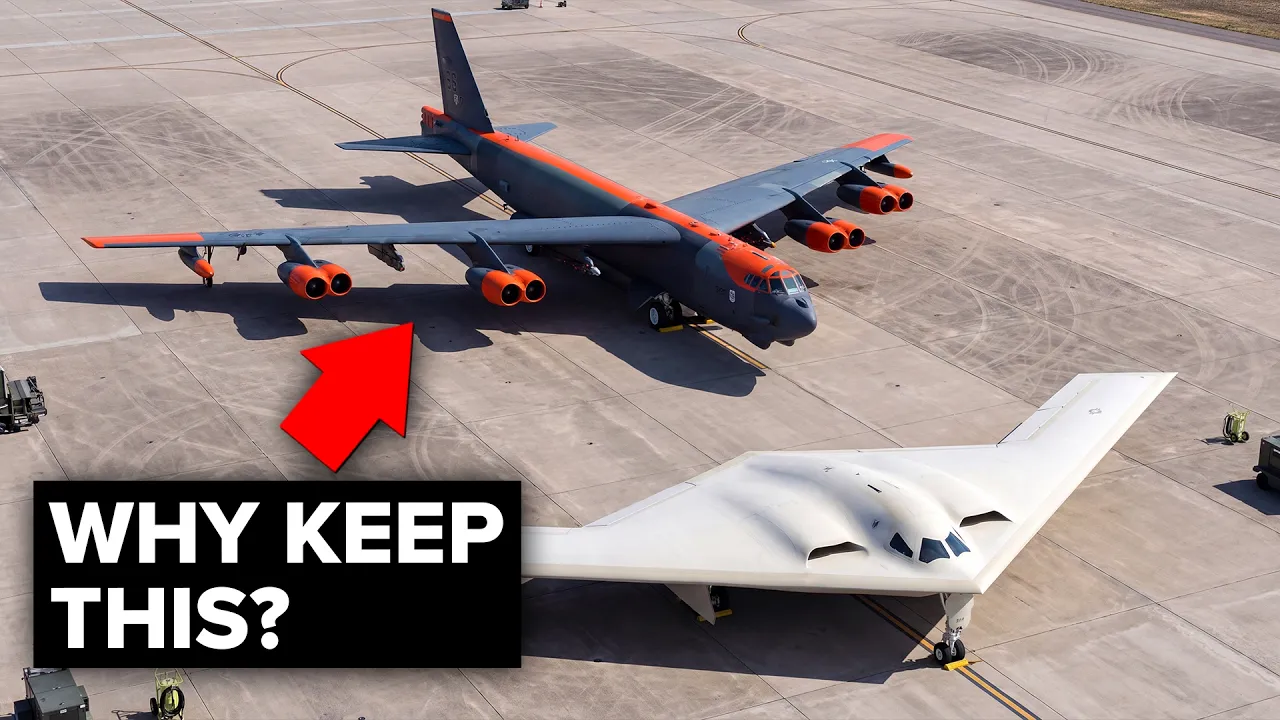
On 29 September 2026, the Pentagon handed Boeing a contract worth more than 20 billion dollars to develop the F/A-XX. Eighteen months earlier, the same company had won the Air Force's F-47. Both of America's sixth-generation fighters are now in the hands of a single company. With almost every detail classified, what can this aircraft actually do?
Three jobs in one airframe
"F/A" stands for fighter and attack, but this jet carries three jobs: shooting down threats in the air, striking warships and land targets from long range, and electronic warfare. Every parking spot on a carrier deck has to earn its place. The F/A-XX will gradually replace the Super Hornet, the fighter that has carried the fleet for a quarter of a century, and the EA-18G Growler electronic attack jet.
Why not just navalize the F-47?
A carrier deck is one of the harshest places an aircraft can live. The catapult flings it to around 165 miles per hour in about two seconds, and the tailhook stops it in a few hundred feet when it comes home. Then it has to survive months of salt spray. The F-47 gets its range by being big and carrying more fuel. A Navy jet has to be extremely efficient, because every pound of reinforcement is a pound of fuel left behind. Even the engine is different: the Navy chose a design derived from an existing engine rather than the Air Force's next-generation one.
What the one image shows
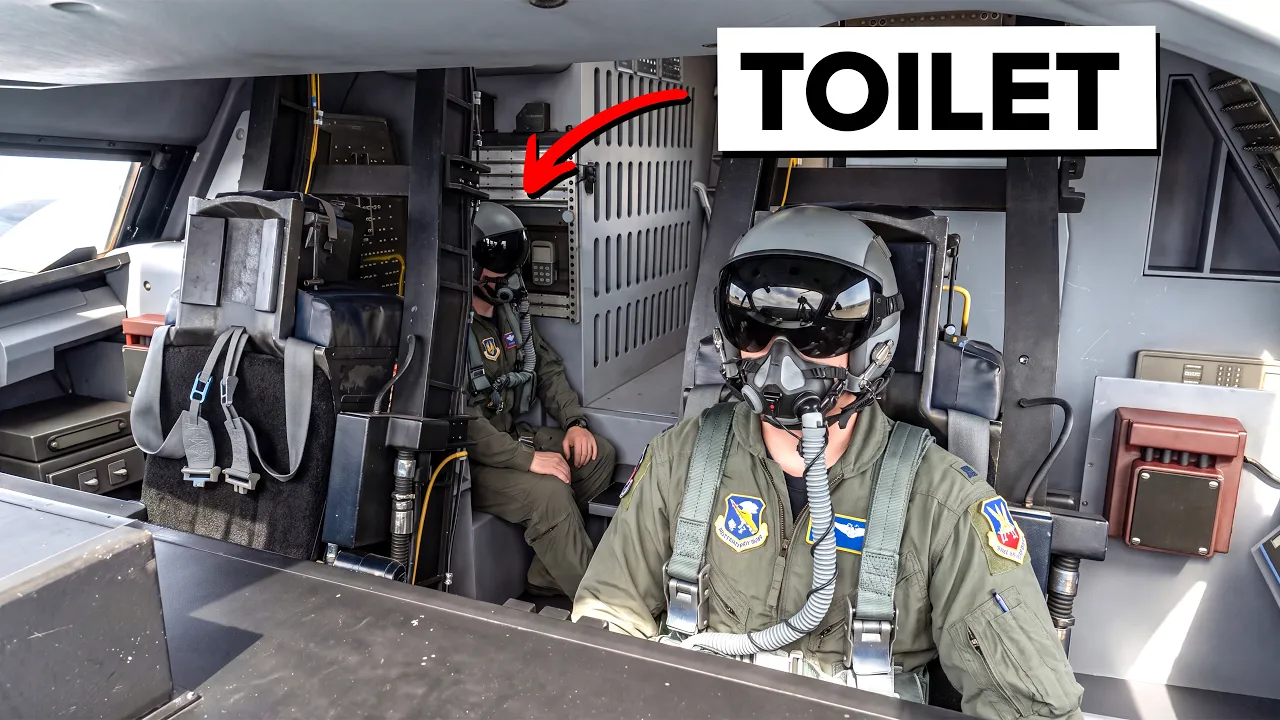
On award day, Boeing released exactly one image: the jet rolling toward a catapult. It shows a very wide body, heavy landing gear, low-set intakes, a single cockpit and no vertical tails. Internal volume clearly drove the design, because volume means fuel and room to carry weapons inside, where they do not show up on enemy radar. The single cockpit matters too. The Growler needs a pilot and an electronic warfare officer; the F/A-XX hands that second seat's work to computers and to the drones flying ahead.
The gap it is built to close
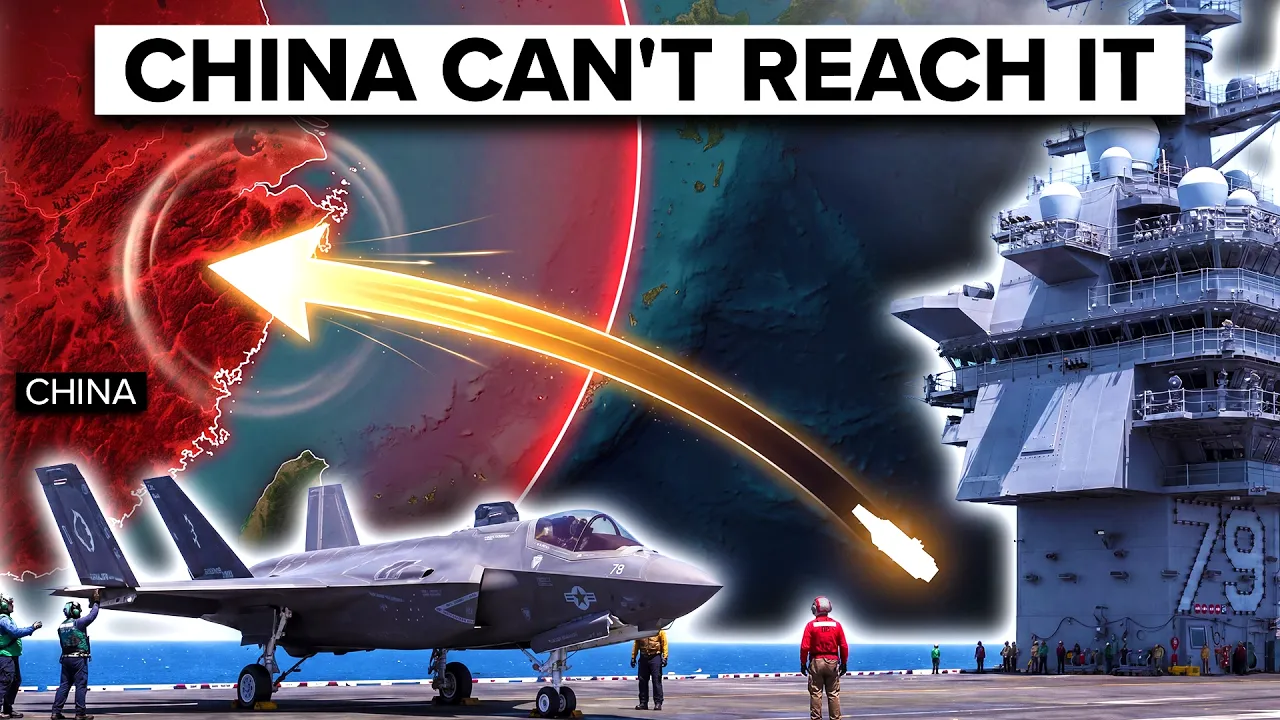
Since 1996, China has built a wall of missiles to keep American carriers away. According to CSIS, the DF-21D reaches about 1,500 km and the DF-26 about 4,000 km, far enough to cover Guam. Against a strong opponent, US carriers may have to stand off 800 to 1,200 nautical miles, while the Super Hornet's combat radius is about 500 and the F-35C's just over 600.
Rear Admiral Michael Donnelly has said the F/A-XX will probably have more than 125 percent of the range of today's carrier jets. Applied to the F-35C, that is roughly 750 nautical miles by our estimate. Add a new air-to-air missile with more than 250 nautical miles of range, carrier drones out front and MQ-25 tankers, and the whole air wing's reach stretches much further.
Can Boeing build both?
Boeing will build the F/A-XX, the F-47, the T-7 trainer and more F-15EXs at once in St. Louis, after a 101-day machinists' strike in 2025. But it broke ground on a 1.8-billion-dollar expansion there in late 2023, the F-47 was signed as a cost-plus-incentive-fee contract, and the Super Hornet and Growler lines are planned to close in 2027, freeing workers right when the F/A-XX needs them.
By the 2030s, if everything goes to plan, the F-47 will take off from land to win control of the air, and the F/A-XX will launch from a base that moves. For Beijing, that is two problems at once.
Written by the WarTechX team from the research behind the video. Figures are rounded public numbers; full sources are listed in the video description on YouTube.